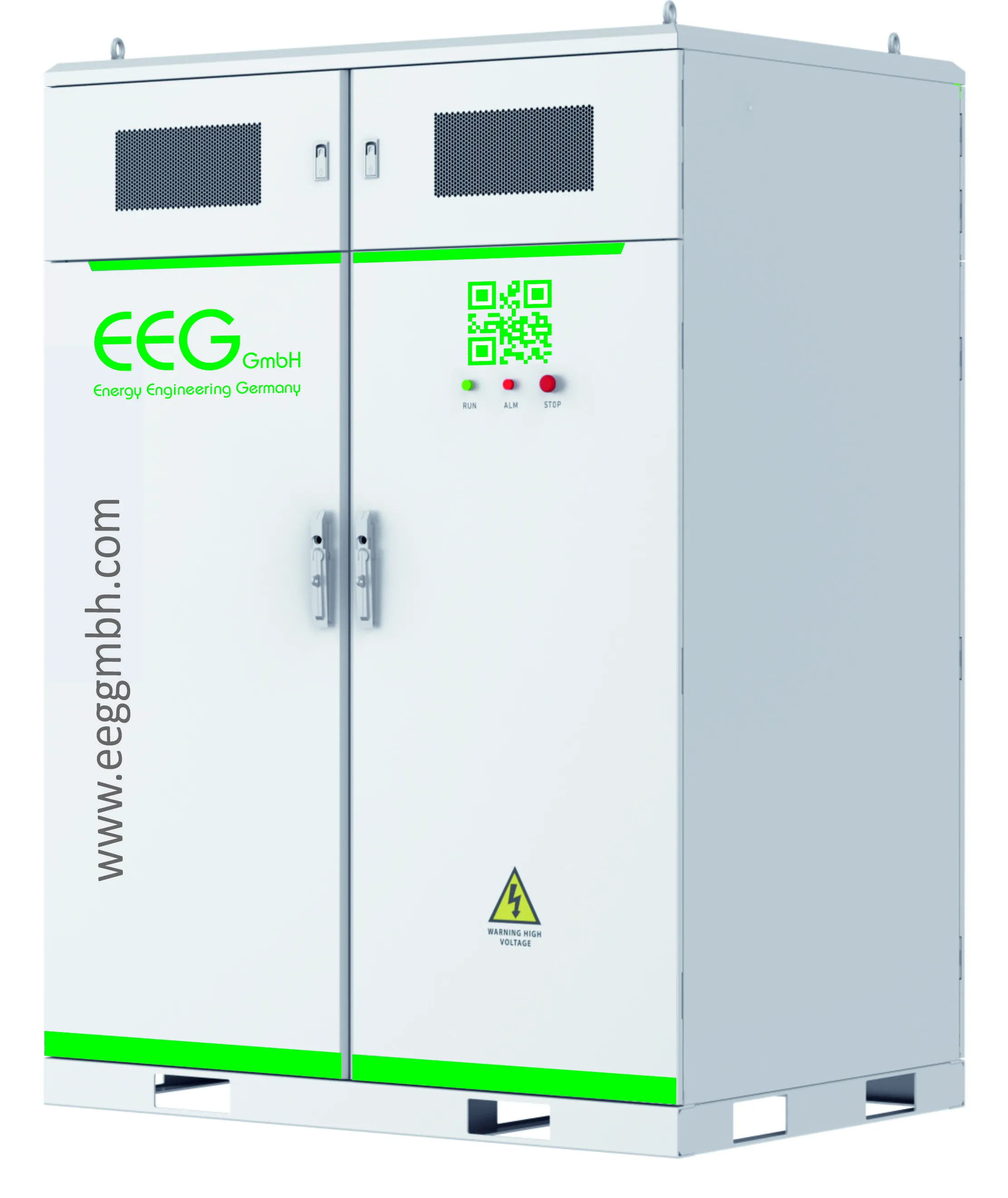
Battery energy storage system
Reliable energy storage for every application
Which battery technologies are used?
Whether in private households or on an industrial scale, battery storage systems play a central role in modern energy supply. Different technologies are used, each with specific strengths depending on the requirements:
Accumulators
Despite its limitations, this classic technology continues to be widely used.
Its typical features are:
- Proven technology with comparatively low investment costs
- Limited service life (approx. 300–500 charging cycles) and lower efficiency
- Ideal for emergency power systems, smaller stand-alone solutions, or as starter batteries in vehicles
Lithium-ion batteries (LIB)
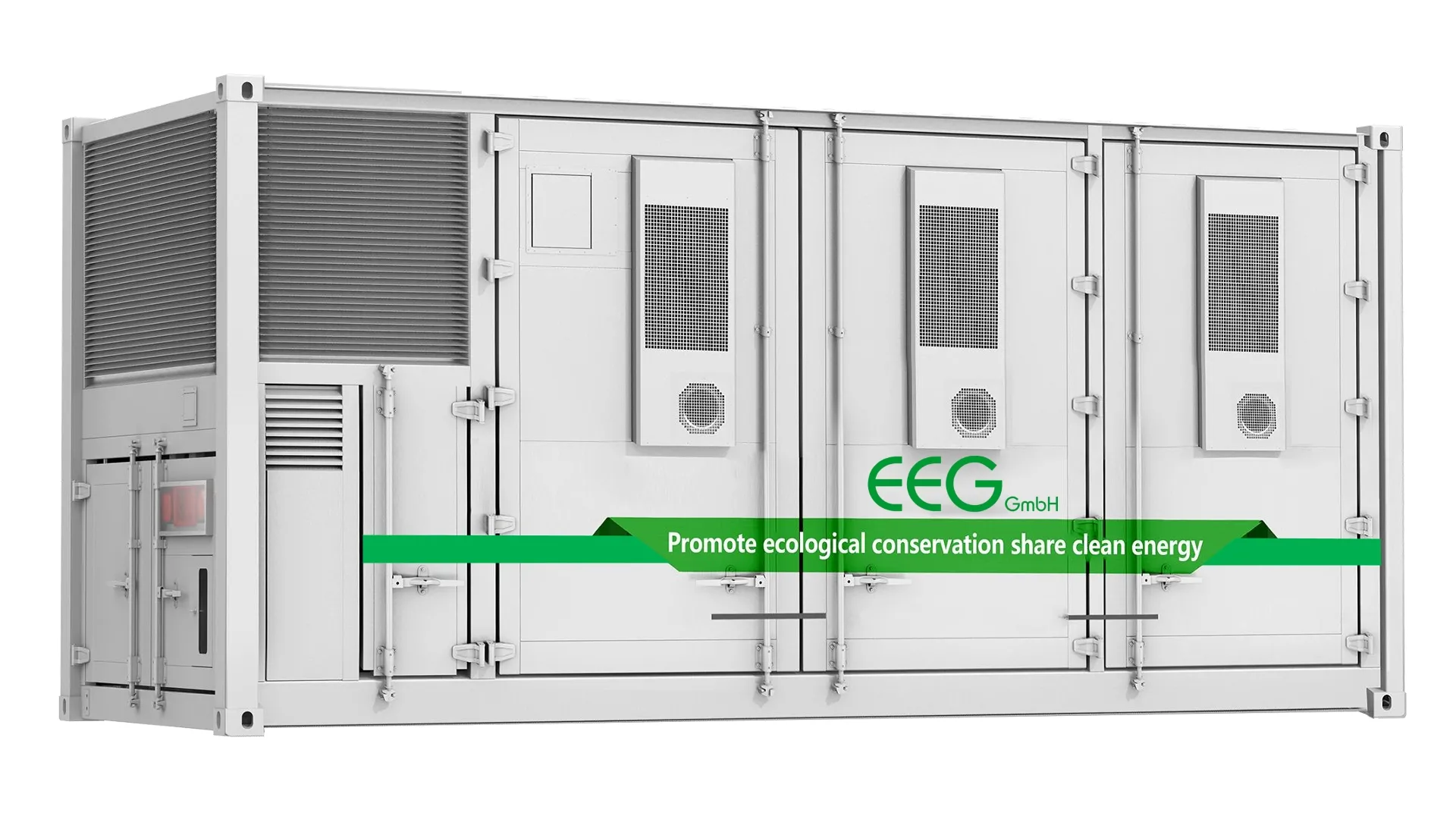
Lithium-ion systems are currently the most widely used storage solutions on the market.
Their typical features are:
- High energy density and efficiency with efficiency levels of up to 95%
- Long service life and versatile applications, for example in solar systems, battery storage containers, or in the home
- Flexible scalability for a wide range of applications, from home batteries to large-scale storage
Sodium-ion batteries (NIB)
Sodium-ion systems are becoming increasingly important as a sustainable alternative to lithium-ion.
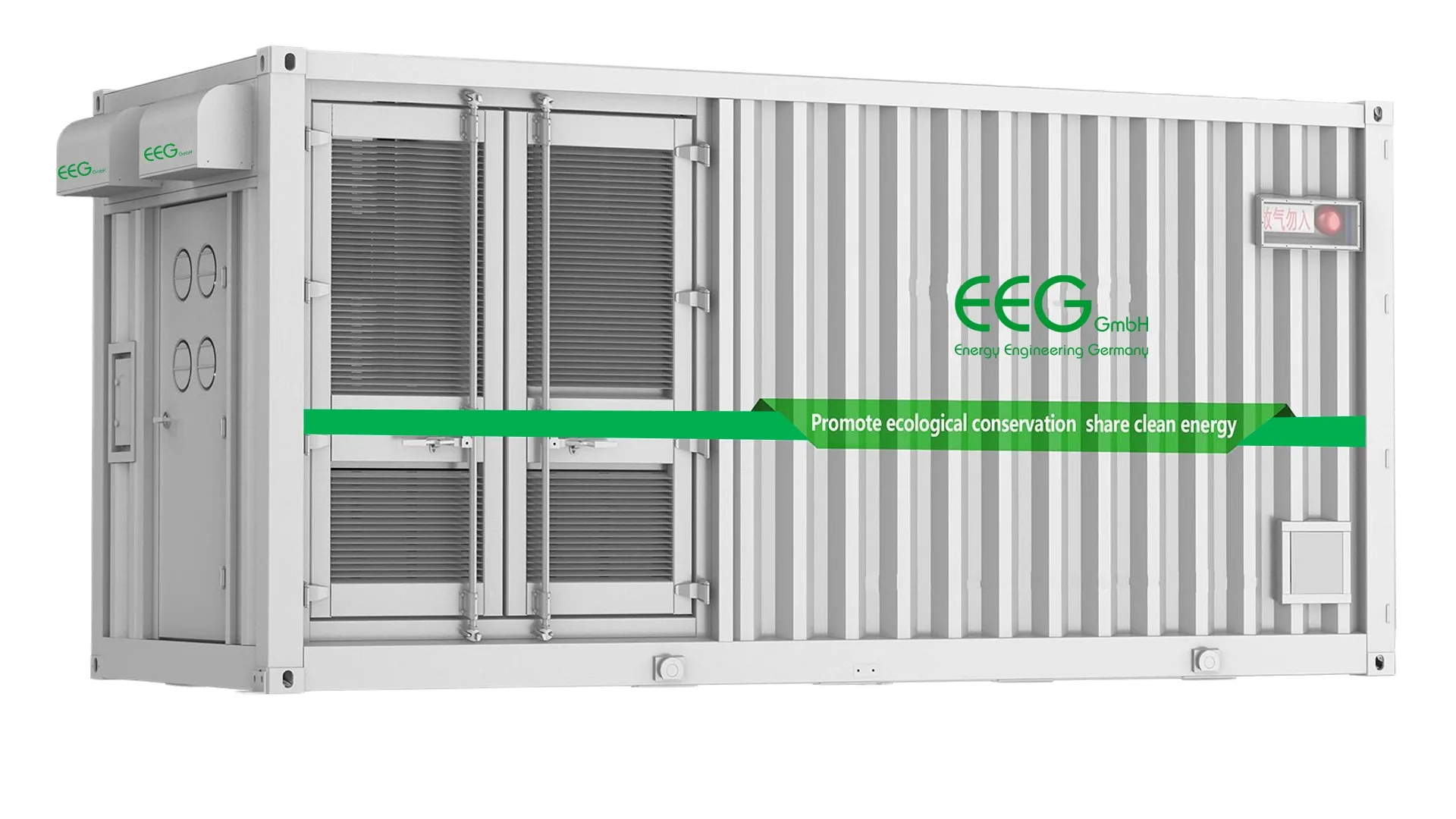
Their typical characteristics are:
- More environmentally friendly materials and cheaper production
- Solid performance in stationary storage and potentially also in electromobility
- Lower energy density, which makes them particularly interesting for applications with sufficient space
Redox flow batteries
This innovative technology is particularly suitable for long-term energy storage.
Their typical characteristics are:
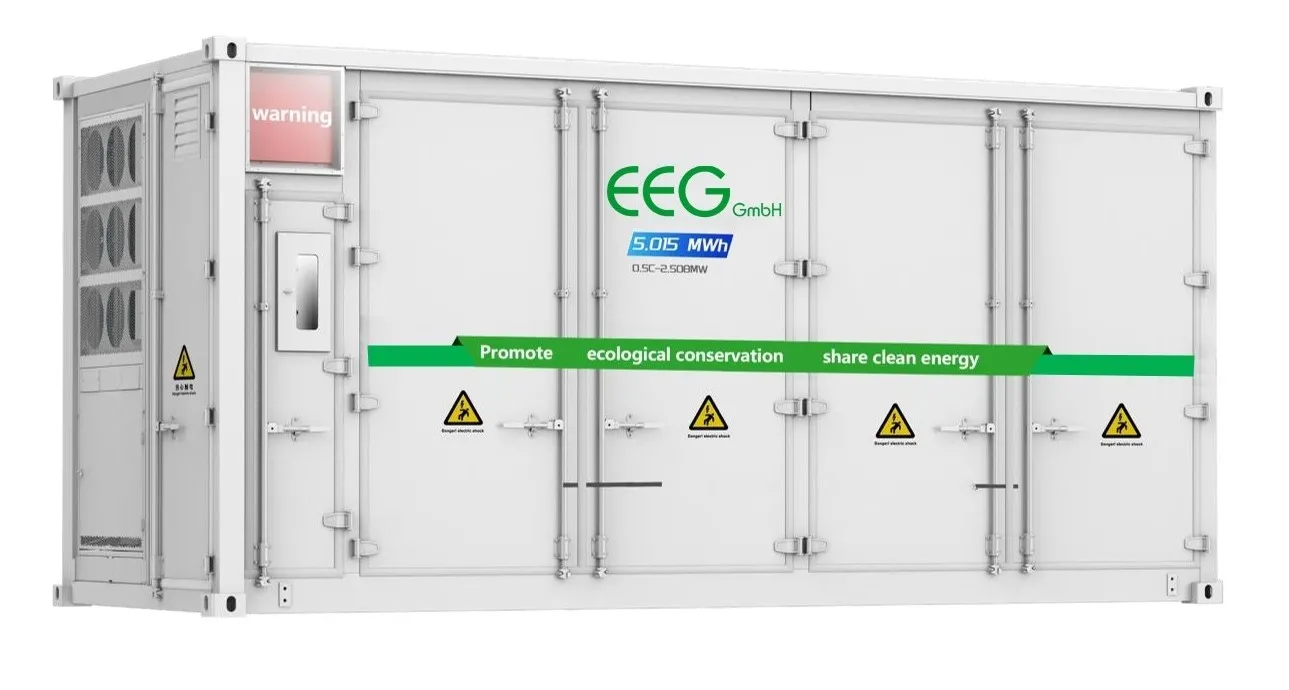
- Flexibly scalable and suitable for both short-term and long-term storage processes
- Currently still in the development stage and not widely used
- Applications include: as a buffer for wind turbines or backup for mobile phone stations
Commercial storage Lithium iron phosphate batteries (LFP)
Lithium iron phosphate systems are a particularly safe and durable variant within lithium-ion technology.
Their typical features are:
- High thermal and chemical stability, particularly safe in operation
- Long service life with up to 10,000 charging cycles
- Lower energy density compared to other lithium-ion systems, but very robust
- Versatile applications: ideal for stationary storage solutions in the private sector, in industrial applications, or with photovoltaic systems